
This story appeared in Today, Explained, a daily newsletter that helps you understand the most compelling news and stories of the day. Subscribe here.
Read more Three beluga whales just died at one of America’s top-rated aquariums
The recent history of mail voting in the United States has more twists and turns than an Emmy-winning drama. But for the cause of democracy, at least, yesterday’s ending is a happy one.
On Monday, the Supreme Court definitively blocked President Donald Trump’s many attempts to sabotage voting by mail — opining, in a three-sentence brief, that Trump can’t implement his new rules for the 2026 midterms. Or for any election, probably.
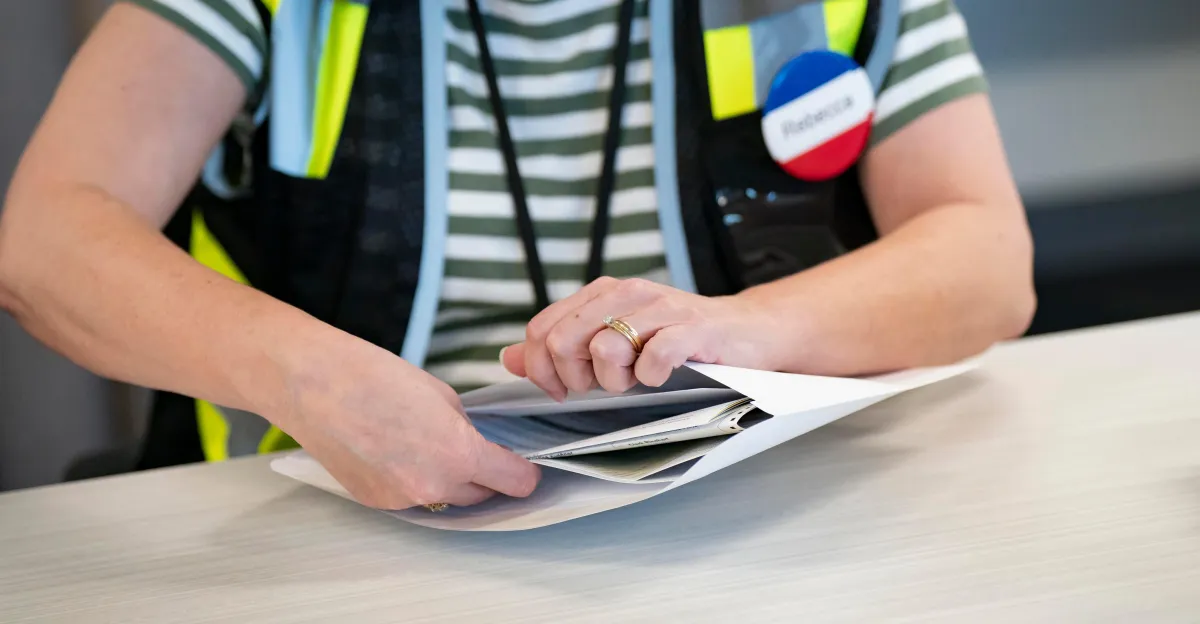
Those last-minute rules, you may recall, would have required states to adopt new ballot envelopes and upload absentee voters’ names and envelope barcodes to a still-nonexistent online platform. Many officials argued they couldn’t possibly adopt the new measures before midterm voting starts, which would essentially cancel mail-in voting in their jurisdictions.
The Supreme Court, of course, has been broadly sympathetic to Trump’s legal antics, even when they appear to clearly flout law or precedent. But shutting down voting just before the midterms? That’s one bridge too far for them.
Go a little deeper
Hobbling vote-by-mail was just one of Trump’s plots to meddle in the midterms, however — and several of the others are still underway. Here’s where some of the president’s most significant election maneuvers stand today:
How worried should you be going into the midterms? That, my friend, is a question to answer in your own little heart. But I’m taking my cues from Vox’s politics editor, Benjy Sarlin, who recently reminded listeners of our America, Actually podcast that there are many, many institutional and logistical barriers to many of Trump’s more concerning legal machinations.
“We’re taking it very seriously here…and nothing’s guaranteed,” he acknowledged. “But it is still a very difficult path [where] so far he has had zero success.”
One link for later
➨ Skip the shrimp. A new analysis by researchers at the University of Bath and Faunalytics, an animal welfare group, attempts to quantify the amount of animal suffering required to produce different factory-farmed foods. They concluded that eating smaller animals = causing greater suffering, simply because you have to eat — and, by extension, farm and kill — so many more of them.
Read more The people who fear AI are wasting time fighting each other
Before you go…
- Politics
- Today, Explained newsletter