
This story appeared in Today, Explained, a daily newsletter that helps you understand the most compelling news and stories of the day. Subscribe here.
Read more Why your health insurance is dropping GLP-1 coverage
Throughout his second term, President Donald Trump has saddled his party with no shortage of political liabilities — from the mass pardons of January 6 convictions to ICE killings of US citizens to questionable Reflecting Pool redesign choices.
For voters, however, there is one stain on Trump’s record more unsightly than all the rest: his failure to reduce Americans’ cost of living.
As the midterm campaign enters its home stretch, Americans’ expenses are rising — and the GOP’s prospects are consequently dimming.
Last month, consumer prices were 3.7 percent higher than they had been one year earlier, according to a Consumer Price Index report released on Wednesday. That represented an acceleration in the inflation rate, one driven largely by skyrocketing fuel prices: Gasoline was 9.1 percent more expensive in September than it had been in August. As a result, America’s average real wage has fallen by 44 cents since January.
In less than three weeks, Americans will head to the polls to decide which party controls Congress, along with a slew of state and local offices. As we count down to that momentous and potentially messy day, this newsletter is partnering with our colleague Astead Herndon and Vox’s The Midterms, Actually team for weekly editions on the biggest issues shaping the midterms. We’re breaking down one issue each week and suggesting further reading and races to watch in November.
Last week, we tackled the data center backlash. And this week, we’re digging into affordability.
Go a little deeper
These upward trends in prices aren’t lost on voters. In a recent Pew Research survey, just 21 percent of Americans said economic conditions were “excellent” or “good” — while 65 percent said that Trump’s policies had made the economy worse.
The high cost of living is weighing on Republican candidates in all battleground races. Maine provides just one example of how potent the issue could prove on Election Day.
From one angle, the state’s Senate race might seem like a gimme for Democrats. Kamala Harris won Maine by nearly 7 points in 2024. Thus, in 2026 — when Democrats are poised to win in a national landslide — one might expect the party to easily triumph.
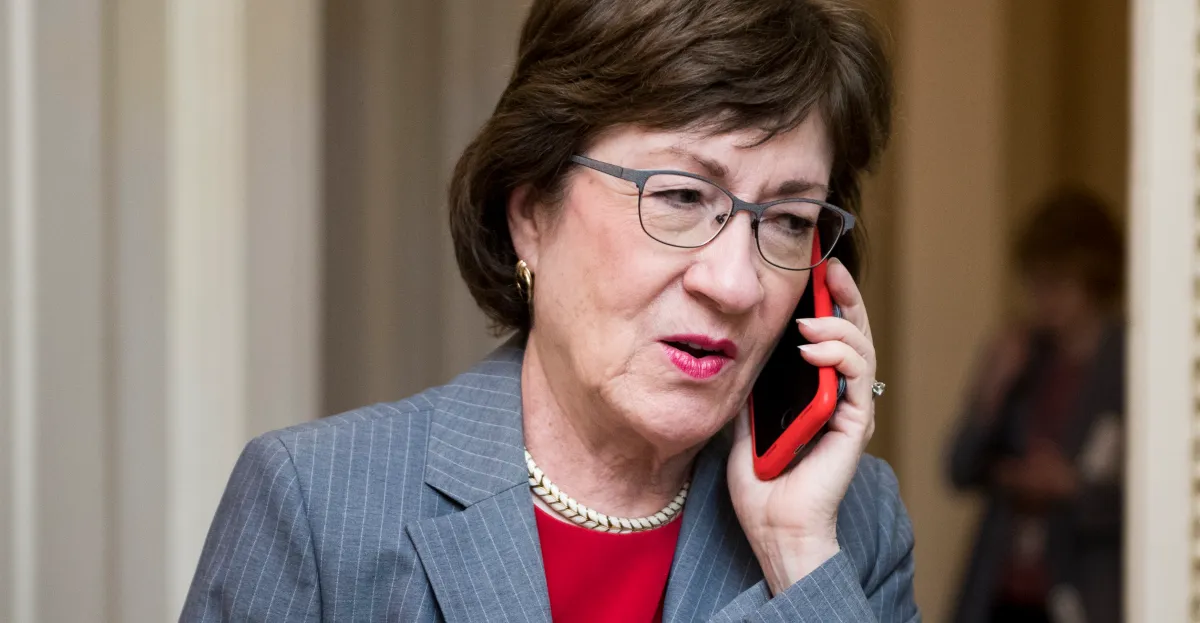
But Republican incumbent Susan Collins is an unusually formidable foe. The race has been a dead heat, with Democratic nominee Troy Jackson leading by just 2 points in a recent .
Fortunately for Jackson, Mainers’ energy bills are expected to soar in the campaign’s final weeks, plausibly increasing voters’ appetite for change in the process.
Maine is America’s second coldest state and unusually reliant on oil for home heat. As autumn advances, its residents will use more heating oil, thereby driving up both their personal bills and market prices. Thanks to the global energy crunch, a gallon of such fuel is already nearly twice as expensive as it was this time last year.
Jackson has been hitting Collins on the issue relentlessly. That could put a chill in Collins’s reelection odds — and thus, the GOP’s hopes of retaining Senate control.
➨ Other races to watch:
In other news
One link for later
Rethink confidence. Research shows confidence is good for your job and good for your romantic prospects. Unsurprisingly, then, a whole industry has sprung up teaching people to be more confident. One writer signed up to work with a confidence coach for the first time, and ended up doubting that her self-doubt was all that bad.
Read more The radical Democratic plan to change the government for good
Before you go…
- Economy
- Midterm Elections 2026
- Money
- Politics
- Today, Explained newsletter